
Magnesium is an essential mineral that supports various functions in the body. In dietary supplements, it is available in different forms, including Magnesium Citrate, Magnesium Glycinate, and Magnesium Oxide, each with distinct properties, solubility, and elemental magnesium content.
In this article, Maydi International explores the key differences between these three forms to help consumers and supplement brand owners make informed decisions.
What Is Magnesium?
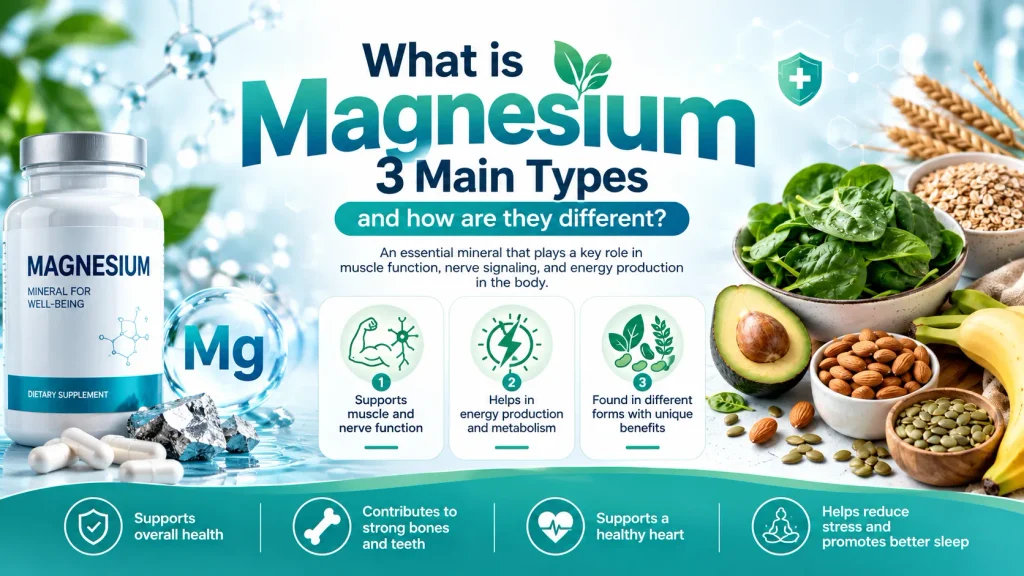
Magnesium is an essential mineral that the body must obtain through food. It acts as a cofactor in more than 300 enzyme systems and plays a vital role in several important bodily processes, including:
- Energy production
- Protein synthesis
- Muscle and nervous system function
- Regulation of blood sugar levels and blood pressure
- Bone formation
- DNA and RNA synthesis
Magnesium is not limited to supporting a single bodily system. Rather, it is a fundamental mineral involved in numerous essential physiological processes throughout the body.
Summary: What Are the Differences Between the Three Forms of Magnesium?
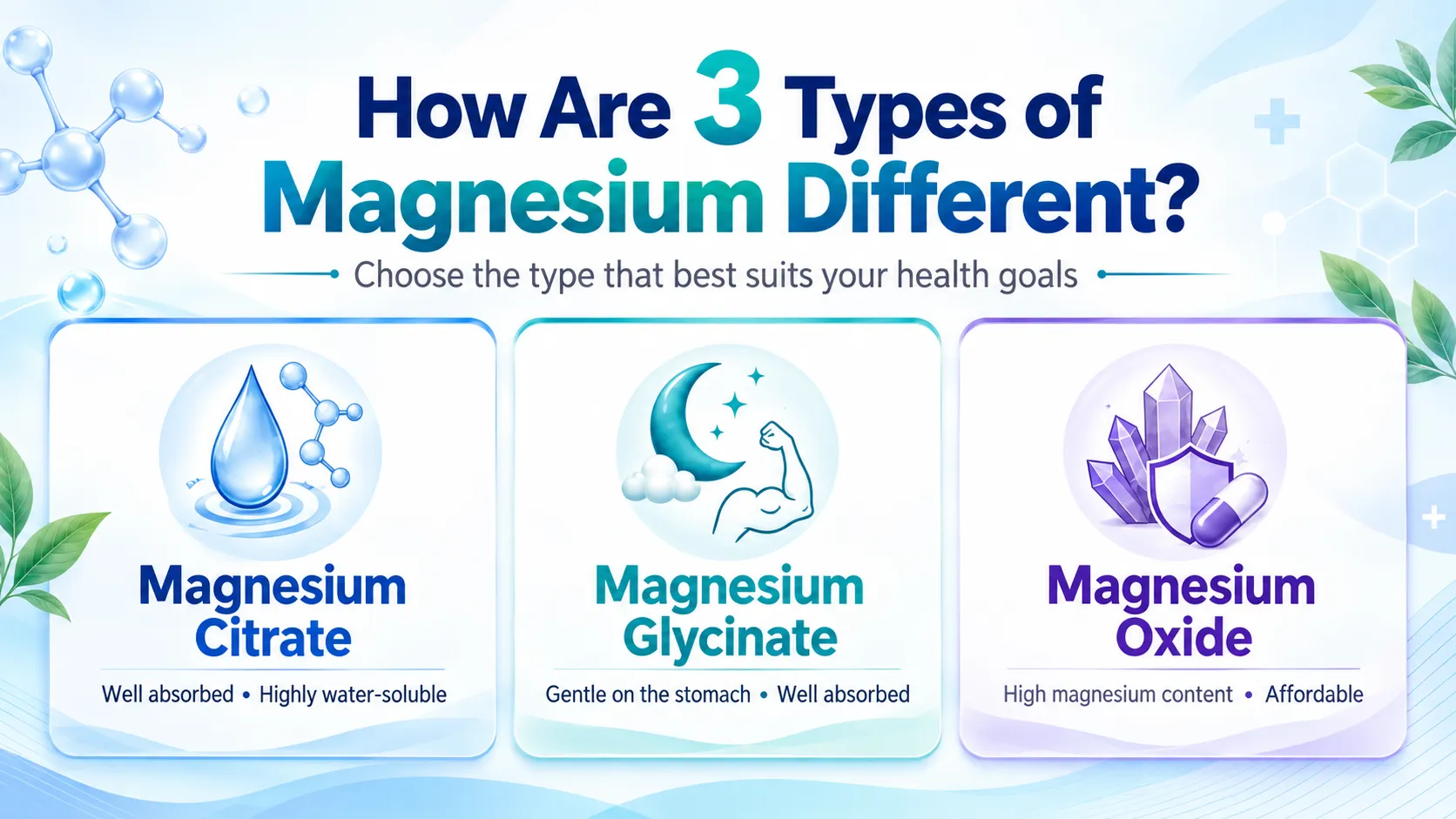
– Magnesium Citrate is magnesium bound to citric acid. It has relatively good solubility and absorption, but may have a laxative effect in some individuals.
– Magnesium Glycinate is magnesium bound to the amino acid glycine. It is often considered for supplement formulations designed to be gentle on the gastrointestinal system.
– Magnesium Oxide is magnesium bound to oxygen. It has a relatively high elemental magnesium content but lower solubility and absorption than Magnesium Citrate, according to some comparative studies.
No single form of magnesium is suitable for everyone or every formulation. The selection should consider several factors, including the formulation’s intended purpose, elemental magnesium content, product format, serving size, and target consumer group.
What Foods Contain Magnesium?
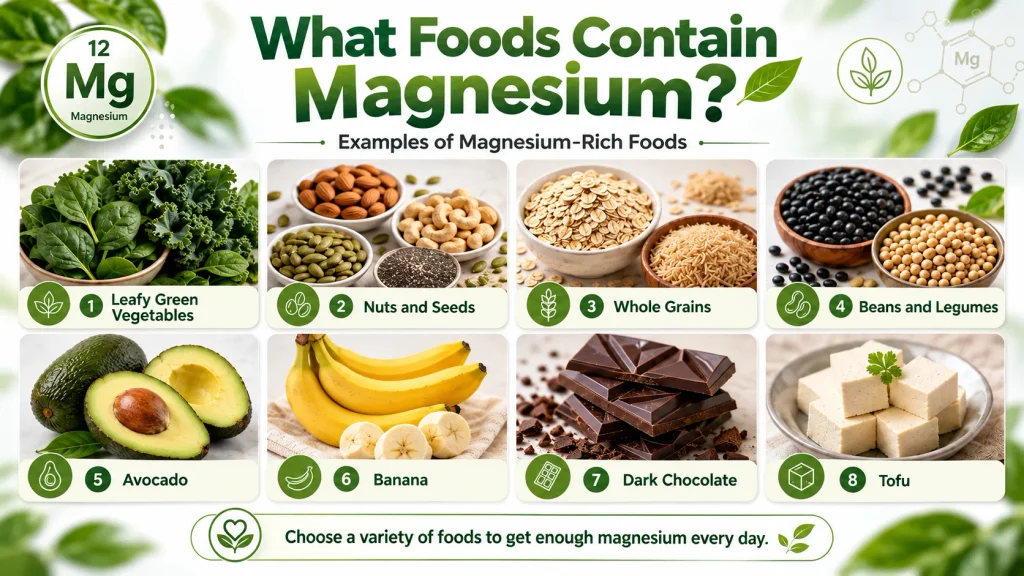
Magnesium can be naturally obtained from a variety of foods, including:
- Leafy green vegetables
- Nuts and seeds
- Whole grains
- Legumes
- Milk and dairy products
- Magnesium-fortified foods
Eating a varied and balanced diet remains essential for obtaining adequate nutrients. Dietary supplements should be used to complement a healthy diet when appropriate, rather than replace regular meals.
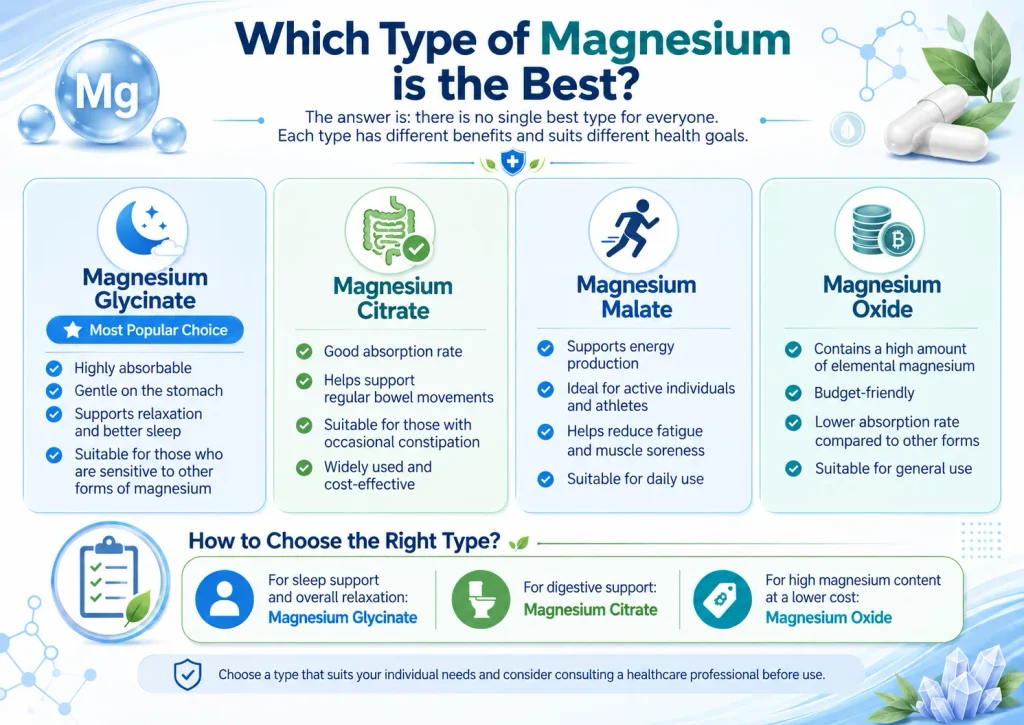
Which Form of Magnesium Is Best?
The answer is that no single form of magnesium is best for everyone. Choosing the right form of magnesium requires consideration of several factors, including:
1. Product Purpose
Brand owners should first identify their target consumers, such as working professionals, older adults, physically active individuals, or those interested in maintaining overall health and wellness.
2. Elemental Magnesium Content
The weight of a magnesium compound does not necessarily equal the amount of elemental magnesium it provides.
For example, using a certain amount of Magnesium Glycinate or Magnesium Citrate does not mean that the entire amount consists of elemental magnesium. Brand owners should verify the actual elemental magnesium content using the raw material’s Certificate of Analysis (COA).
3. Solubility and Absorption
A magnesium ingredient with a high elemental magnesium content does not necessarily offer the best solubility or absorption. Therefore, multiple properties should be evaluated rather than relying on a single measurement.
4. Product Dosage Form
Magnesium can be formulated into various dosage forms, including:
- Capsules
- Tablets
- Chewable Tablets
- Effervescent Tablets
- Powdered Drink Mixes
- Sachet Products
Each dosage form has different limitations regarding fill capacity, taste, odor, solubility, stability, and the number of units required per serving.
Develop Your Magnesium Supplement Brand with Maydi International
Maydi International provides comprehensive OEM and ODM dietary supplement manufacturing services, covering every stage from consultation, formulation development, raw material selection, sample testing, and packaging design to finished product manufacturing.
Brand owners can consult our team to develop supplements containing Magnesium Citrate, Magnesium Glycinate, Magnesium Oxide, or a combination of different magnesium forms tailored to their brand concept, target audience, and budget.
Interested in launching your own magnesium supplement brand? Contact Maydi International today for an initial consultation.


